Welcome to the Magical World of Ladybugs
Have you ever seen a tiny, red beetle landing softly on your hand? Most people smile when they see them. These little creatures are famous for their bright colors and helpful nature. Many people find themselves asking, what do ladybugs eat when they spot them in the garden? It is a great question because these bugs are actually tiny superheroes for your plants. They are not just pretty to look at; they are hard-working hunters that keep your flowers healthy and happy. In this guide, we will explore everything about their diet, their life, and why they are so special.
Ladybugs are fascinating because they are one of the few insects that humans actually love to have around. Whether you are a gardener or just a nature lover, understanding these beetles helps you appreciate the small things in life. We will dive deep into their favorite snacks and even talk about whether they are safe to hold. From their favorite flowers to their secret meanings, there is so much to learn about these spotted friends. Let’s start our journey into the life of the ladybug!
What Do Ladybugs Eat? The Ultimate Garden Menu
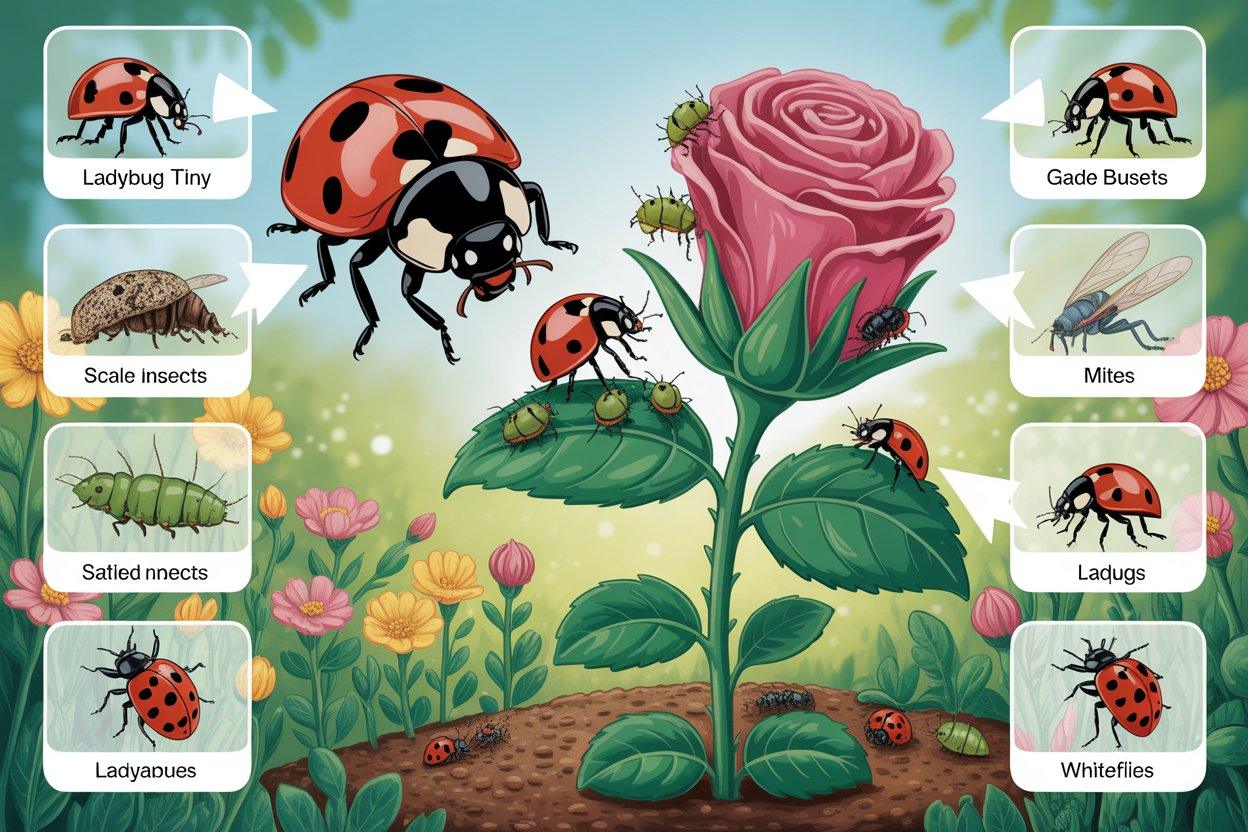
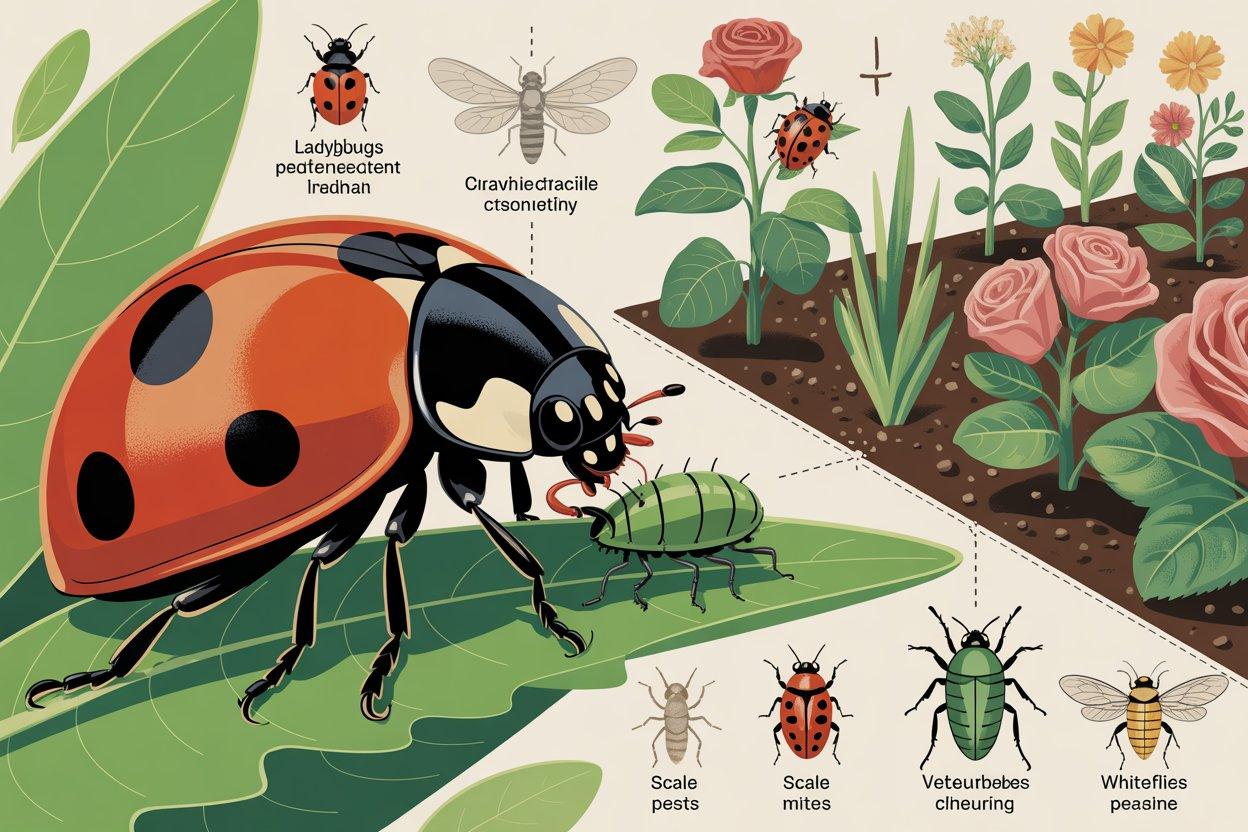
The most important thing to know is that ladybugs are carnivores. This means they love to eat meat! Specifically, they enjoy eating other soft-bodied insects. If you are wondering what do ladybugs eat, the number one answer is aphids. Aphids are tiny green or black pests that suck the juice out of your roses and vegetables. A single ladybug can eat up to 5,000 aphids during its lifetime! This makes them the best natural pest control you can find. They also enjoy eating scale insects, mites, and whiteflies, which are all bad for your garden.
Sometimes, when bugs are hard to find, ladybugs might snack on a little bit of pollen or nectar from flowers. This gives them the energy they need to fly around and find more pests. However, they much prefer a protein-rich meal of garden pests. By eating these “bad bugs,” ladybugs help your garden grow without the need for itchy chemicals. It is a win-win for everyone! Knowing what do ladybugs eat helps you realize just how much they protect our food and flowers every single day.
All About Ladybug Varieties: Types of Ladybugs
Did you know there are over 6,000 different types of ladybugs in the world? Most people think they are all red with black spots, but that is not true. Some are orange, yellow, or even solid black! The most common one in North America is the Seven-Spotted Ladybug. It has a bright red shell and exactly seven spots. Another common type is the Multicolored Asian Lady Beetle. These can look a bit different and often have an “M” or “W” shape on their heads. Each type has its own unique style and favorite place to live.
Some types of ladybugs are even specialized in what they eat. While most love aphids, a few rare types actually eat mildew or plants. However, the ones we usually see are the helpful hunters. Exploring the different colors and patterns is like looking at tiny pieces of art. The next time you see one, look closely at its spots. You might be looking at a unique species you’ve never noticed before! Understanding these differences helps us protect the right bugs in our local environment.
A Detailed Look: Ladybug Quick Facts Table
| Feature | Information |
|---|---|
| Main Food Source | Aphids, Mites, and Scale Insects |
| Average Lifespan | 1 to 2 Years |
| Total Species | Over 6,000 worldwide |
| Top Benefit | Natural Pest Control for Gardens |
| Predators | Birds, Frogs, and Spiders |
| Favorite Habitats | Gardens, Forests, and Grasslands |
| Winter Behavior | Hibernation in groups |
Understanding the Lifespan: How Long Do Ladybugs Live?
When we see these tiny beetles, we often wonder, how long do ladybugs live? In the wild, most ladybugs live for about one year. However, if they have plenty of food and a safe place to sleep, some can live up to two or even three years! Their life starts as a tiny yellow egg. Then, they hatch into larvae that look like tiny black alligators. These larvae are very hungry and spend all day eating. This is the stage where they do the most work for your garden.
After the larval stage, they turn into a pupa, which is like a cocoon. Finally, they emerge as the beautiful winged beetles we recognize. The question of how long do ladybugs live also depends on the weather. They need to find a warm, dry place to hibernate during the cold winter months. Many ladybugs gather together in large groups under tree bark or inside old logs to stay warm. If they survive the winter, they wake up in the spring ready to start the cycle all over again.
Common Concerns: Do Ladybugs Bite Humans?
One question many parents and kids ask is, do ladybugs bite? The simple answer is yes, they can, but it is very rare. Ladybugs do not have teeth like we do. Instead, they have small chewing parts. A ladybug “bite” feels more like a tiny pinch or a poke. They usually only do this if they feel scared or if they are looking for water. It is not dangerous at all, and they do not carry diseases that hurt humans. Most of the time, they will just crawl peacefully on your skin.
While we know can ladybugs bite, it is important to remember they are not aggressive. They aren’t like mosquitoes or wasps that want to hurt you. If a ladybug nips you, it is probably just confused! To avoid this, try not to squeeze them. If one lands on you, just stay still and enjoy the moment. They are gentle creatures that are much more interested in eating garden pests than bothering people. Teaching children how to handle them softly is a great way to enjoy nature together.
Safety First: Are Ladybugs Poisonous to Pets or People?
Many people see bright colors in nature and wonder, are ladybugs poisonous? The bright red or orange color is actually a warning sign to birds and other predators. It says, “I taste bad!” Ladybugs produce a tiny bit of smelly fluid from their leg joints when they are scared. This fluid tastes very bitter. While they are not “poisonous” in the way a cobra is, they can make a small pet feel sick if they eat too many of them. For humans, they are perfectly safe to be around.
You might also notice different colors and ask, are orange ladybugs poisonous? Specifically, the Asian Lady Beetle is often orange and can be a bit more annoying than the red ones. They might smell a bit stronger and are more likely to leave a yellow stain if crushed. However, they are still not dangerous to your health. The rule of thumb is: don’t eat them! As long as you are just watching or holding them gently, you have nothing to worry about. They use their “poison” only as a shield to keep themselves safe from hungry birds.
Luck and Spirit: What Do Ladybugs Symbolize?
Beyond the garden, these bugs have deep meanings. Many cultures ask, what do ladybugs symbolize? For hundreds of years, they have been seen as symbols of protection, healing, and good fortune. In many traditions, if a ladybug lands on you, it is a sign that your worries will fly away. They represent a time of peace and a reminder to enjoy the small joys in life. Their gentle nature makes them a perfect symbol for kindness and patience in a busy world.
Many people also wonder what do ladybugs mean when they appear in dreams or suddenly show up in the house. Some believe they are a message of encouragement. They remind us to trust the process of life. Because they transform from “alligator” larvae into beautiful beetles, they also symbolize growth and change. No matter where you go in the world, these little bugs are almost always seen as a positive sign. They bring a little bit of magic and hope wherever they land, making everyone feel just a bit luckier.
Heavenly Signs: Ladybugs a Sign From Angels?
For those who are spiritual, seeing a beetle can feel very special. Is a ladybugs a sign from angels? Many people believe that when a ladybug appears during a tough time, it is a message from a loved one who has passed away or a guardian angel. It is a way of saying “you are not alone” and “everything will be okay.” This belief makes the ladybug a very comforting sight for people who are grieving or looking for direction in their lives.
This connection to the divine is why so many people ask are ladybugs good luck? The legend says that in the Middle Ages, insects were destroying crops. Farmers prayed to the Virgin Mary for help. Soon, these red beetles arrived and ate all the pests, saving the food. They were called the “Beetles of Our Lady,” which eventually became “Ladybugs.” Whether you believe they are from angels or just a gift from nature, there is no denying the sense of peace they bring when they flutter by.
Attracting Them Naturally: What Flowers Are Good for Attracting Ladybugs?
If you want these helpers in your yard, you need to know what flowers are good for attracting ladybugs? They love flat, landing-pad flowers where they can easily find nectar. Some of the best choices are Marigolds, Calendula, and Cilantro. They are also very fond of Dill, Fennel, and Yarrow. These plants have tiny flowers that are perfect for a ladybug’s small mouth. By planting a variety of these, you create a beautiful buffet that encourages them to stay in your garden and start a family.
When you plant these flowers, you are doing more than just making your yard look pretty. You are creating a habitat. Ladybugs need a place to hide from the sun and lay their eggs. Tall grasses and low-growing ground covers are also great. Remember, the more diverse your garden is, the more ladybugs will want to live there. They are looking for a home that has both food (pests) and snacks (nectar). Providing both ensures that your garden will be crawling with these lucky little friends all summer long.
Getting Help: Ladybugs for Sale
What if you have a lot of aphids but no ladybugs? Many gardeners choose to look for ladybugs for sale. You can actually buy them in containers from garden centers or online shops! When they arrive, they are usually in a “sleepy” state because they have been kept cool. It is best to release them in the evening when the sun is down and the air is cool. If you release them during a hot day, they might just fly away immediately. Giving them a little mist of water helps them stay put.
Buying them is a great way to jump-start your garden’s health. However, you must make sure your garden is a place they want to stay. If you don’t have the right flowers or if there are no pests to eat, they will leave to find a better home. It is best to use ladybugs for sale as a part of a bigger plan. Make your garden a paradise first, then bring in the troops. Watching a bag of ladybugs crawl out and start hunting aphids is a very satisfying experience for any plant lover!
Managing Your Home: How to Get Rid of Ladybugs
While they are great outside, sometimes they get inside your house. If you are looking for how to get rid of ladybugs indoors, don’t worry—it’s easy! Usually, they come inside during the fall to find a warm place for winter. The best way to move them is to use a vacuum with a soft brush or a piece of paper to gently carry them back outside. You can also seal cracks around your windows and doors to keep them from sneaking in. There is no need for harsh sprays.
If you have a lot of them, it might be the Asian Lady Beetle variety. These can be a bit more stubborn. To keep them away, try using natural scents like peppermint or citrus around your windows. They don’t like these smells and will usually stay away. Remember, they aren’t trying to hurt your house; they are just looking for a cozy spot to nap. Learning how to get rid of ladybugs safely ensures that you keep your home clean while still being kind to these helpful little insects.
Top 6 Frequently Asked Questions (FAQs)
-
Can ladybugs hurt my pets?
Generally, no. If a dog or cat eats one, they might drool or have a slightly upset stomach because ladybugs taste bitter. However, they are not toxic or deadly. Just keep an eye on your furry friend! -
Why do ladybugs have spots?
The spots are part of their warning system. They tell predators that the ladybug is not a tasty snack. Some people used to think the spots told you how old they were, but that is actually a myth! -
Do ladybugs need water?
Yes! Like all living things, ladybugs get thirsty. They usually get most of their water from the bugs they eat, but they also drink dew from leaves or moisture from damp soil. -
Where do ladybugs go in the winter?
They hibernate! They find cold-protected spots like under rocks, inside hollow logs, or even in the walls of houses. They huddle together to keep their body heat up until spring. -
Are all red bugs with spots ladybugs?
No, there are some “imposter” bugs like the Bean Beetle that look similar but eat plants instead of pests. Ladybugs always have a specific shape and a small white “M” or white spots on their head area. -
Do ladybugs fly fast?
They can fly about 15 miles per hour! That is pretty fast for such a tiny creature. They use their wings to travel long distances to find new gardens filled with tasty aphids.
Conclusion: Embraing Our Spotted Friends
In conclusion, ladybugs are truly remarkable creatures. From answering what do ladybugs eat to understanding their spiritual meanings, it is clear they are more than just pretty bugs. They are essential protectors of our environment. They save our crops, bring us smiles, and remind us of the beauty of nature. Whether you are planting flowers to attract them or simply watching one crawl across a leaf, these beetles bring a sense of wonder to our lives.
Next time you see a ladybug, take a second to say thank you. They are working hard to keep the world green and beautiful. By protecting them and their habitats, we ensure that future generations can also enjoy the “good luck” they bring. They are a perfect example of how even the smallest living things can have a massive impact on the world around them. Keep your garden healthy, keep your heart open to their messages, and enjoy the magic of the ladybug!