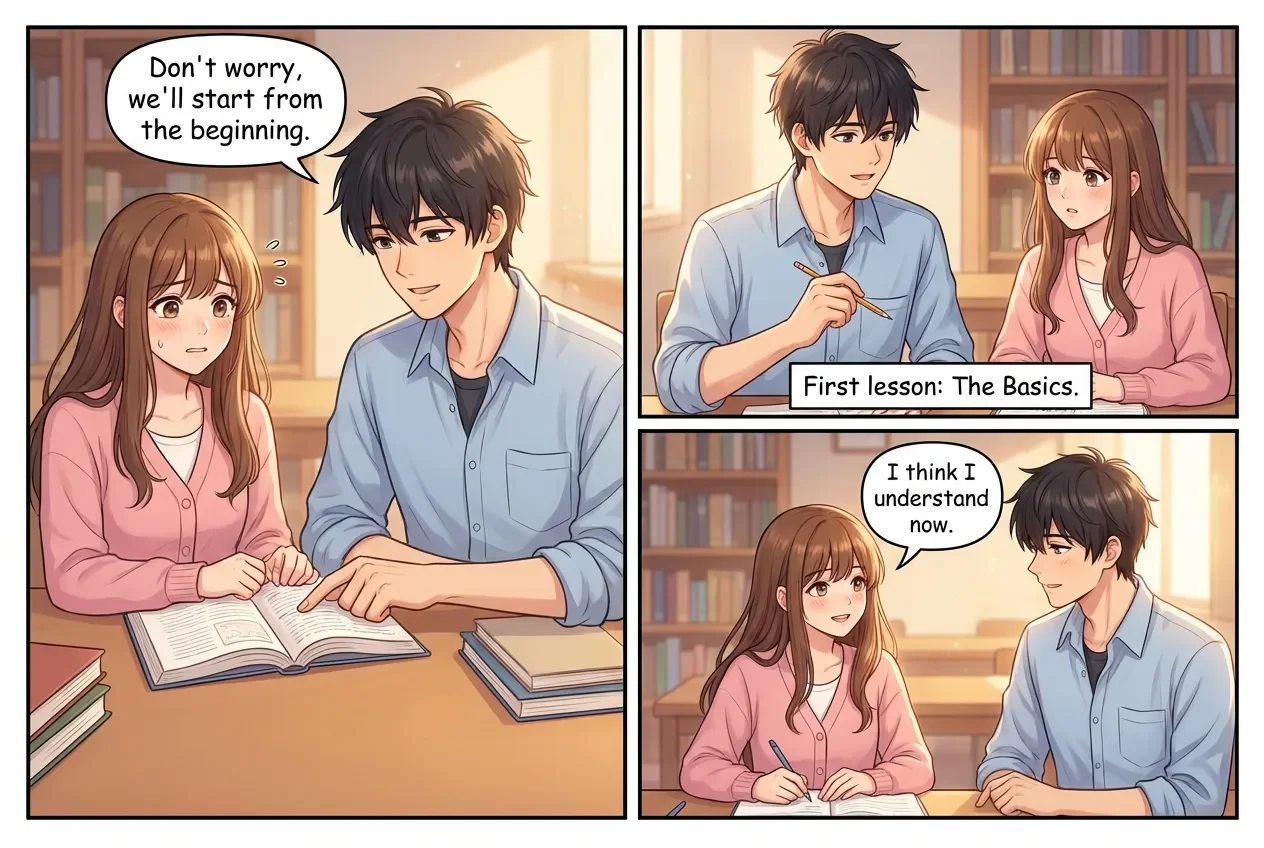
Teach Me First Comic
The Ultimate Guide to the Viral Phenomenon: What You Need to Know About the “Teach Me First” Comic
You have probably seen the reaction cuts on your timeline. A catchy audio track plays, a dramatic panel flashes across the screen, and the comment section is flooded with people asking for the title. If you are here, you likely fell down that exact rabbit hole trying to find the “teach me first comic.”
However, diving into the search results for this specific title often leads to a confusing web of similarly named series, unofficial mirror sites, and intense debates over “uncensored” chapters. The digital comic space is massive, and when a title catches fire on short-form video platforms, the facts often get blurred by hype.
This comprehensive guide cuts through the noise. We will break down exactly what this comic is, clarify the confusion surrounding its various versions, and show you how to navigate the digital reading landscape safely.
The Social Media Explosion: Why Everyone is Talking About It
The current landscape of digital reading is intrinsically tied to social media. A comic no longer relies solely on platform-front-page placement to gain traction; it relies on readers becoming active advocates. The surge in interest around this specific title is a textbook example of community-driven virality.
The Anatomy of a Viral Webtoon Edit
When a series trends, it is rarely because someone posted a text review. It is driven by compilation edits. Fans take specific character moments—often high-tension reveals, dramatic shifts in art style, or heavily shipped character interactions—and sync them to trending music. These edits act as hyper-condensed movie trailers. They strip away the context, leaving only the visual impact, which creates an immediate sense of intrigue for anyone scrolling past.
Reaction Cuts and Community Commentary
Beyond polished edits, reaction cuts fuel the algorithm. Creators record themselves reacting to plot twists or “explainer bites” where they give quick voice-overs summarizing the dynamic between the main characters. Because the title is ambiguous, these comment sections become highly active forums of users asking for links, debating the plot, and sharing their own theories. This massive engagement pushes the topic further up the discovery pages, cementing its viral status.
Clearing the Confusion: Disambiguating the Titles
If you attempt to find the comic without prior knowledge, you will quickly hit a wall. The phrase “teach me first” is shared across several completely different pieces of media. Understanding which one you are actually looking for is the most crucial step.
The Official Webtoon Canvas “Teach Me”
First, there is a legitimate, self-published series titled simply “Teach Me,” hosted on the WEBTOON CANVAS platform. This section of the app allows independent creators to publish their work directly to an audience. This particular title is categorized as a Comedy and is generally known for its lighter tone. Crucially, it is awaiting an official content rating from its creator, but it is fundamentally different from the mature content often associated with the viral search term.
The Uncensored “Teach Me First!” and Third-Party Mirrors
When people search for the specific “teach me first comic,” they are frequently hunting for an adult-leaning, uncensored series. Snippets of this version—often highlighting specific chapters—circulate heavily on third-party document-sharing sites and unofficial forums. This is where the bulk of the online confusion originates. The viral edits on social media often blend the visual elements of this mature comic with the easily accessible name of the Canvas series, leading readers on a wild goose chase.
Fan-Made Works and Alternate Universes
To complicate matters further, the phrase is also the title of a popular fan-made work circulating in niche subreddits (specifically related to a Good Omens alternate universe). This is a purely fan-driven narrative and has zero connection to the commercial webtoons mentioned above. If you are looking for original sequential art, you need to filter out text-based fan fiction during your search.
The “Uncensored” Label Explained
In the ecosystem of digital comics, the word “uncensored” carries very specific weight. It is often used as a buzzword by unauthorized sites to drive traffic, but understanding what it actually entails is important for navigating the space responsibly.
What It Actually Means in Digital Comics
Official publishing platforms have strict guidelines regarding what can be shown visually. When a comic is serialized on a mainstream app, certain scenes—whether involving violence, suggestive themes, or strong language—are heavily modified or removed entirely to comply with app store regulations. An “uncensored” version typically refers to the creator’s original, unedited vision. This often pushes the material strictly into the adult category.
Age Gates and Content Advisories
Because the uncensored version of this story contains mature themes, readers need to be conscious of age ratings. Legitimate platforms utilize age gates, requiring users to verify their date of birth before accessing 16+ or 18+ material. They also provide detailed content advisories at the beginning of chapters. If you are clicking on a link that promises extreme content without any sort of warning or verification system, you are likely leaving the safety of official channels.
How to Read Safely and Legally
The demand for viral comics creates a highly lucrative market for bad actors. Scraper sites and unauthorized mirrors pop up overnight to capture the search traffic of people looking for the latest chapters. Protecting your digital safety is just as important as finding the story.
Spotting Red Flags on Mirror Sites
Unauthorized reading sites are notoriously dangerous. They are often riddled with intrusive pop-up ads, malware downloads disguised as “next chapter” buttons, and tracking cookies. A major red flag is poor organization. If a site features broken chapter links, inconsistent image quality, watermarks from competing pirating groups, or aggressive redirects to unrelated pages, close the tab immediately.
Why Supporting the Original Creator Matters
Producing a high-quality comic requires an immense amount of labor. Artists spend dozens of hours scripting, sketching, inking, and coloring a single chapter. When readers consume content through illegal mirrors, the creators receive zero compensation for their work. This directly impacts their ability to continue the story. By utilizing official platforms, your views, likes, and legitimate purchases directly fund the continuation of the series you enjoy.
Verifying Official Reading Platforms
How do you know you are in the right place? Look for transparency. An official reader will always prominently display the creator’s name, provide clear release schedules, and offer a polished, functional interface. Consecutive chapter numbering, community guidelines, and proper translation credits are all hallmarks of a legitimate platform. If you have to fight through five pop-ups just to see a single panel, you are not supporting the artist.
The Enduring Appeal of the “Teach Me” Trope in Comics
Beyond the virality and the confusion, it is worth looking at why this specific narrative hook works so well. The mentor-student dynamic, or the concept of one character guiding another through unfamiliar territory, is a foundational trope in storytelling.
Character Dynamics and Tension
This trope inherently builds structural tension. It establishes a clear power dynamic between two characters that slowly breaks down or shifts as the story progresses. Whether it is applied in a comedic setting (like the Canvas title) or a mature setting, readers are drawn to the progression of these relationships. The gradual shift from formal boundaries to emotional intimacy provides a highly satisfying character arc.
Visual Storytelling in Modern Webtoons
Webtoons utilize a vertical scrolling format that fundamentally changes how a story is paced. Creators can manipulate the physical distance between panels to simulate the passage of time or heighten the emotional impact of a scene. In relationship-driven stories, this format is incredibly effective. A lingering glance or a shift in body language can be stretched across a long scroll, forcing the reader to sit in the tension of the moment. This mastery of pacing is exactly what makes certain panels so highly shareable on social media.
Final Thoughts Before You Start Reading
The journey to find the “teach me first comic” is a perfect example of how complex modern media consumption has become. A single viral video can spark a global search, unearthing a maze of similar titles, fan projects, and unofficial uploads.
Before you dive into the story, take a moment to verify exactly what you are clicking on. Disambiguate the title, respect the content ratings, and always prioritize official platforms. By doing so, you protect your own digital safety while ensuring that the artists behind the panels receive the recognition and support they deserve.
What is the “Teach Me First” comic?
It often refers to two distinct works: a comedic, self-published series on Webtoon Canvas simply titled “Teach Me,” and a separate, mature-themed webtoon frequently discussed on social media and found on third-party sites.
Why is the comic trending on social media?
The title gained massive popularity through compilation edits, reaction cuts, and explainer bites on short-form video platforms, where users share dramatic panels and discuss the character dynamics.
Where can I safely read the series?
Always use official publishing platforms or verified creator pages. For the comedy series, look to Webtoon Canvas. Avoid third-party mirror sites that host unauthorized uploads, as they often contain malware.
What does “uncensored” mean for this webtoon?
In digital comics, “uncensored” usually indicates that the work contains mature themes, adult situations, or unedited artwork that mainstream app stores restrict. These versions require age verification.
Is the comic related to the fan fiction with the same name?
No. There is a popular fan-made alternate universe story circulating in niche community forums that shares a similar name, but it is entirely separate from the commercial sequential art series.
About the Author